

Managing a modern hotel group is no longer just about scaling physical footprints; it is about scaling consistency and providing inroom guest experience. As hospitality brands expand, they inevitably hit a delicate operational crossroads: How do you deliver a predictably high-quality brand experience across multiple properties while still honoring the unique, local identity of each location?
When guest experiences vary wildly from one property to the next, brand loyalty suffers. However, fixing this with heavy-handed centralization can strip a boutique property of its charm. The secret lies not in standardizing the experience itself, but in standardizing the framework that delivers it.
The Pitfalls of Modern Hotel Management
When a hotel group leaves the guest journey entirely up to individual properties, it creates a fragmented guest experience. Essential details shift based on who is working the front desk, information is scattered across outdated paper binders, and communication styles lack cohesion.
To solve this, many corporate teams make the mistake of over-centralization. Forcing a cookie-cutter template onto every location strips away local autonomy. A sleek urban property and a sprawling beach resort have radically different operational realities; treating them identically results in a sterile, irrelevant guest journey.
The Solution: Standardize the Framework, Customize the Content for best inroom guest experience
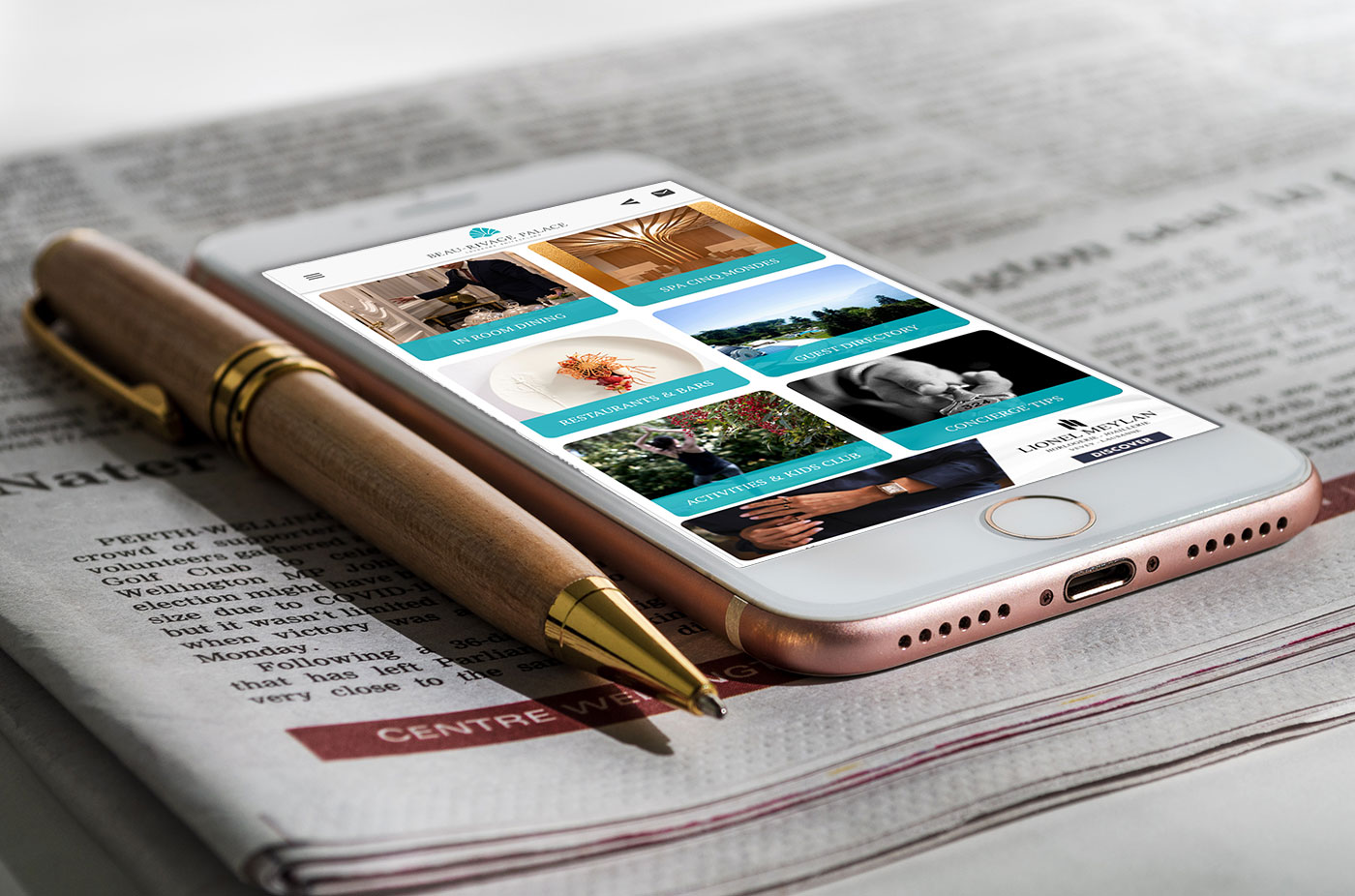
The industry’s most sophisticated hotel groups utilize next-generation digital welcome guides to establish a centralized structural foundation with localized flexibility.
Group-Level Structure
-
- Brand Visual Identity
- Core UI/UX Layout
- Global Policy Baselines
- Integrated Tech Stack
Property-Level Soul
-
- Local Area Guides
- On-Site Amenities (Spa, Dining)
- Neighborhood Secrets
- Custom Upsell Offers
By deploying a unified digital guidebook network, corporate teams can lock in brand standards while leaving specific blocks open for property-level customization.
Three Strategic Wins of a Unified Digital Framework
1. Frictionless Operations & Less Front-Desk Strain
When check-in procedures, Wi-Fi passwords, and basic property FAQs are trapped on paper or locked behind a phone call to the front desk, operational efficiency drops. A centralized digital guide puts these answers directly on the guest’s smartphone 24/7, radically cutting down repetitive inquiries and freeing staff to focus on high-value human interactions.
2. Agility at Scale
If corporate changes a global policy or rebrands a service, updating physical collateral across twenty hotels takes weeks and costs thousands. With a digital network, corporate administrators can push global updates across the entire portfolio instantly, while leaving local teams free to tweak their neighborhood restaurant recommendations on the fly.
3. Automated Revenue Generation
On-site amenities like spas, late check-outs, and premium dining often underperform because guests simply don’t know they exist. A digital welcome guide acts as a passive, non-intrusive marketplace, presenting tailored upsells and accepting instant frictionless payments throughout the entire stay—without needing staff to pitch them.
Conclusion: The Future is Structured, Not Rigid
True hospitality cannot be completely automated, but it can be intelligently structured. As hotel brands scale, success belongs to those who find the sweet spot between corporate control and local authenticity. By standardizing the digital delivery system while letting individual properties breathe life into the content, hotel groups achieve the ultimate operational goal: uncompromising brand standards, seamlessly delivered with a local touch. You can read more how to create an engaging inroom guest experience
